WSTEM’s culture and universal instructional practices are rooted in five pillars designed to achieve its vision:
Multi-age Instruction
Classrooms are structured to include mixed grade levels for all subjects except math, fostering diverse learning environments and promoting collaboration. Additionally, K-5 engineering groups engage students in weekly challenges, enhancing collaborative skills across grades and building a strong, inclusive school community. This approach supports individualized student growth and learning through ongoing assessments, enabling flexible student grouping and differentiated instruction tailored to each student’s needs.
22:1
Current student-teacher ratio
Interdisciplinary Approach
Learning is integrated across multiple subjects under unified themes or topics throughout a specific timeframe. This flexible scheduling ensures that diverse subject-based standards are met concurrently to optimize learning outcomes.
Integration of Science and Engineering core principles are accomplished through four (4) key constructs:
The Engineering Design Process: Embedded across disciplines, this process (ask, imagine, plan, create, test, improve) empowers students to innovate and problem-solve creatively.
Theme-Based Curriculum: Over a two-year cycle, WSTEM aligns its science curriculum with NGSS and WI Science standards, crafting interdisciplinary units that deepen student understanding.
Specialized Community Days: Three (3) parent/community run and supported engineering group events (e.g., Spooky Lab Day, WSTEM Challenge Day) every two (2) years provide hands-on multisensory learning experiences. Students may work in advance to prepare and create engineering designs to test or implement during these events.
STEM Field Exposure: Introduction of STEM career pathways and opportunities through parent and community programs to broaden student understanding of the diverse opportunities available in STEM fields. Opportunities are facilitated through guest speakers, virtual field trips, or other firsthand experiences.
Science/Engineering Integration
Authentic Learning Experiences
Intentional learning experiences that create opportunities for students that move them from their comfort zone into a learning zone via three (3) key constructs:
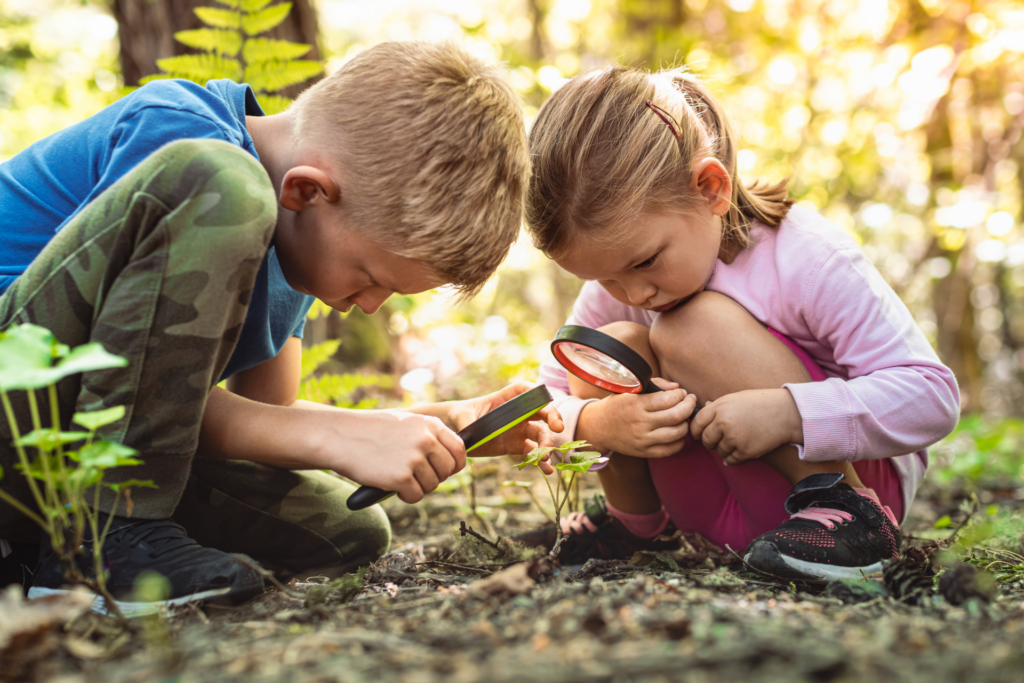
Place based learning: Immersing students in real-world contexts where they explore, inquire, apply classroom knowledge and extend their learning.
Hands-on learning: Engaging in direct physical manipulation and experimentation to enhance learning.
Real world application and problem solving: Application of student knowledge and skills to relevant, authentic, practical situations and challenges. These challenges foster critical thinking and interdisciplinary collaboration. Common curriculums include PLTW, EIE and Lego League.
Collaboration and Community
A collaborative and community-focused environment ensures that every student at WSTEM receives support and encouragement from all staff members, contributing to their overall success and well-being. Students are required to work closely in groups and partnerships to achieve shared goals, enhancing their teamwork, communication, and social skills through interactive, multisensory activities that promote problem-solving and critical thinking. Teachers collaborate weekly to refine lesson plans / materials, set curriculum goals, share teaching strategies / best practices and address student needs. Parents and broader school community are provided opportunities and encouraged to engage and support school initiatives.
ENROLL
Join us! Accepting applications for enrollment from January 26 to February 28 for the 2026-2027 school year.